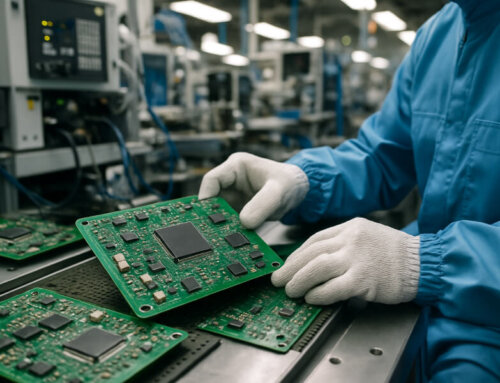
Samsung’s aggressive DDR4 pricing strategy and Taiwan’s workforce decline underscore mounting vulnerabilities in the global electronics ecosystem.
The technology supply chain is entering a turbulent phase as two major forces converge: surging memory component costs and a tightening labor market in East Asia. With Samsung and Micron leading steep Q4 price hikes and Taiwan facing a structural workforce shortage, supply chain managers are preparing for a new wave of volatility in both cost and capacity.
Samsung Pushes Memory Prices Higher in Q4 2025
Samsung Electronics is reportedly implementing one of its most assertive pricing strategies in recent years, according to market intelligence from TrendForce. The company plans to increase DRAM prices by up to 30% and NAND flash prices by 10% in the fourth quarter of 2025, citing strong demand from AI-related infrastructure buildouts.
The move represents a sharp reversal after a prolonged downturn that saw memory prices fall through much of 2023 and 2024. Following several quarters of inventory correction and weak enterprise demand, normalized stock levels have set the stage for Samsung to restore profitability.
Samsung’s unique position as both a major component supplier and vertically integrated device manufacturer amplifies its pricing influence. By internalizing key production costs, the company can pass higher component prices downstream to OEMs and enterprise buyers — many of whom depend on Samsung’s technology stack.
Capacity constraints are further tightening the market. Many DRAM fabs are prioritizing high-margin products optimized for AI servers and data centers, limiting supply for traditional computing and consumer electronics. As a result, manufacturers across multiple sectors — from smartphone producers to industrial system integrators — face rising bill-of-materials costs heading into 2026.
Industry observers warn that this could signal the start of a sustained period of price inflation for core electronic components. To mitigate exposure, procurement teams are increasingly turning to diversified sourcing networks and real-time market intelligence platforms to identify alternative suppliers and hedge against price surges.
Taiwan’s Shrinking Workforce Threatens Semiconductor Output
While rising component costs strain budgets, Taiwan’s labor market poses a more existential risk to global supply continuity. The island — home to some of the world’s most advanced semiconductor manufacturers, including TSMC — is bracing for a sharp decline in its working-age population.
According to studies cited by the Taipei Times, two major retirement waves are expected to remove more than 6.6 million workers from Taiwan’s labor force over the coming decades. The first wave, already underway, affects those born in the late 1950s and 1960s. A second, even larger wave is projected to hit in roughly 16 years, when workers born in the late 1970s and 1980s begin retiring.
Compounding the challenge is a persistently low birth rate and limited participation among younger workers. Only 38% of Taiwanese aged 15–29 are currently employed — far below the roughly 60% participation rate typical in Western economies. While many pursue extended education, others are reportedly underemployed or disengaged from the labor market altogether.
For Taiwan’s semiconductor industry, this demographic imbalance poses a long-term productivity threat that capital investment alone cannot solve. Talent shortages could slow fab construction, delay technology upgrades, and disrupt manufacturing timelines. Automation and overseas expansion may help offset losses in the near term, but the underlying demographic decline is irreversible for the foreseeable future.
A Perfect Storm for Global Supply Chains
Taken together, these developments highlight the growing fragility of the global electronics supply chain. Price inflation in memory markets, paired with shrinking labor capacity in key production hubs, suggests that cost pressures and capacity bottlenecks may soon move in lockstep.
Supply chain resilience, therefore, will increasingly depend on proactive strategies:
-
Diversification across multiple regions and suppliers.
-
Digital visibility into real-time component availability.
-
Scenario planning that integrates both economic and demographic risks.
As the world’s most essential technology ecosystems undergo structural change, businesses must adapt faster than ever — not just to survive immediate cost spikes, but to navigate a fundamentally shifting industrial landscape.